





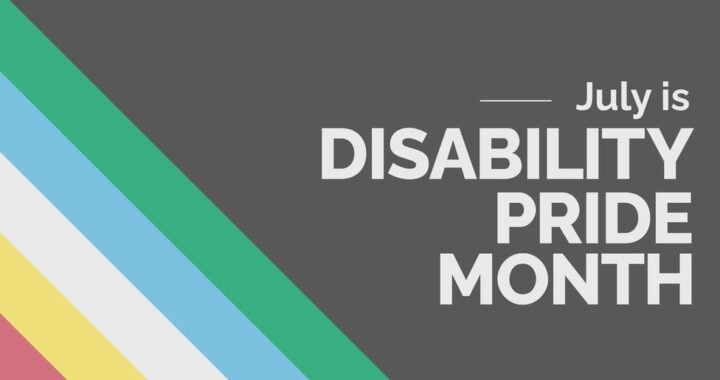
July marks Disability Pride Month, a UK-wide campaign supported by disability charity Scope since 2009, which grew out of the movement that began in Boston in 1990 alongside the passing of the Americans with Disabilities Act. Rather than focusing only on the barriers disabled people face, the month is about celebrating identity, creativity and community. It comes at a time when, according to the House of Commons Library, an estimated 16.8 million people in the UK, around a quarter of the population, were living with a disability in 2023/24, an increase of almost five million over the past decade. At Synergy Complex Care, we see every day how important it is that the people we support are seen as whole people first, not defined solely by a diagnosis or care plan.
Where Disability Pride Month began
Disability Pride Month started in the United States in 1990 and has since grown into a global movement. Scope has backed its growth in the UK for over fifteen years, working with partner organisations, workplaces and community groups to mark July as a time for visibility and celebration rather than sympathy.
The flag and what it represents
The Disability Pride flag, designed by Ann Magill, uses five coloured stripes on a charcoal background. Each colour represents a different lived experience within the disabled community:
- Red for physical impairments and conditions
- Gold for neurodivergence
- White for non-visible and undiagnosed conditions
- Blue for emotional and psychiatric conditions, including mental health
- Green for sensory impairments, including hearing and vision
The charcoal background represents the barriers many disabled people continue to navigate, and stands in protest against ableism.
Why pride matters alongside awareness
Awareness campaigns often focus on explaining a condition or highlighting difficulty. Pride asks something different: that disabled people are allowed to feel positive about their identity. Scope research has found that three in four disabled people say they have experienced negative attitudes because of their disability. Disability Pride Month exists to challenge that, making space for disabled people to be seen as capable, creative and proud, not simply as people to be helped.
Person-centred care and identity
For families supporting a loved one with a long-term condition or complex needs, this shift in language matters. Care that focuses only on tasks and risk can miss the person underneath. Good complex care should support someone’s independence, choices and sense of self, whether that means enabling them to keep working, stay connected to friends, or simply do things their own way at home.
How we can help
At Synergy Complex Care, we provide person-centred care and support at home for adults and children with a wide range of complex needs, from physical disabilities and neurological conditions to learning disabilities and mental health support. Our teams are trained to work around the person, not the paperwork, building care plans that respect individual routines, communication styles and goals, so the people we support can live with as much independence, dignity and pride as possible.
If Disability Pride Month has you thinking about how care could better reflect your or your loved one’s identity and independence, we would love to hear from you.