





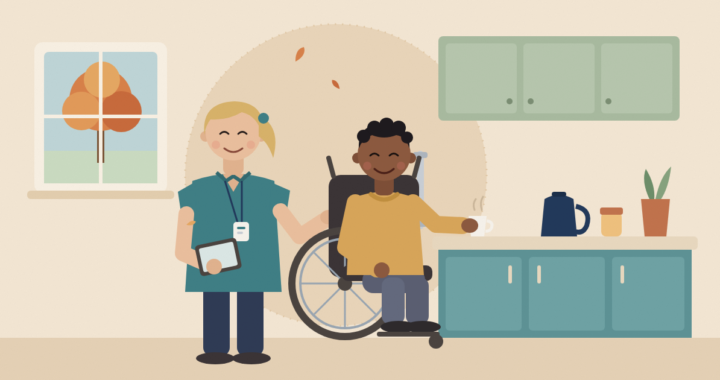
Today, 27 October, is World Occupational Therapy Day. The World Federation of Occupational Therapists marks it every year to raise the profile of the profession, which is represented by 107 national occupational therapy organisations around the world. In the UK, the Royal College of Occupational Therapists supports more than 36,000 members. It sums up the profession simply: occupational therapy “helps you live your best life at home, at work – and everywhere else.”
What is occupational therapy?
The NHS explains that occupational therapy aims to improve your ability to do everyday tasks if you are having difficulties. Occupational therapists, often called OTs, look at the activities a person finds hard and work out whether there is another way to do them.
The Royal College of Occupational Therapists describes it as a science-based health and social care profession. OTs are regulated by the Health and Care Professions Council (HCPC).
Who can it help?
According to the NHS, occupational therapy can help people who:
- are physically disabled
- are recovering from an illness or operation
- have a learning disability
- have mental health problems
- are getting older
The Royal College adds that OTs work with adults and children of all ages, with a wide range of conditions. For someone living with complex or multiple conditions, that can make a real difference to independence and confidence at home.
What an OT might help with at home
Every person is different, so an OT starts with what matters to them. The Royal College notes that OTs can help people manage self-care and household tasks, and can advise on adaptations to the home.
In practice, that might mean finding easier ways to wash and dress, prepare a drink or a meal, or move around the house more safely. It might also mean changes to a room, so that everyday routines take less effort and feel less stressful.
How to get an occupational therapist
The NHS says you can get occupational therapy free through the NHS or social services, depending on your situation. There are three main routes:
- Through your GP. Ask about a referral to an NHS occupational therapist.
- Through your local council. Contact social services to ask whether you can get occupational therapy.
- Privately. You can pay for an OT yourself. The Royal College of Occupational Therapists lists qualified therapists, and you can check that someone is registered on the HCPC register.
Why working together matters
An OT’s advice works best when it becomes part of everyday life. When families, carers and health professionals share the same goals, a new routine or a small change at home can carry through every day, not just on the day of an appointment.
If your relative already has an OT, it is worth sharing their recommendations with everyone involved in their care. Keeping the plan in one place helps everyone support the person in the same way.
How we can help
At Synergy Complex Care, we provide care and support at home for adults and children with complex and multiple conditions in and around Bristol. We work in partnership with the people we support, their families and their healthcare professionals to create highly personalised care and support plans.
If you are thinking about care at home for yourself or someone you love, we would be glad to talk. Call us on 0117 403 7878 or email info@synergycomplexcare.com. There is no pressure, just a friendly conversation.