





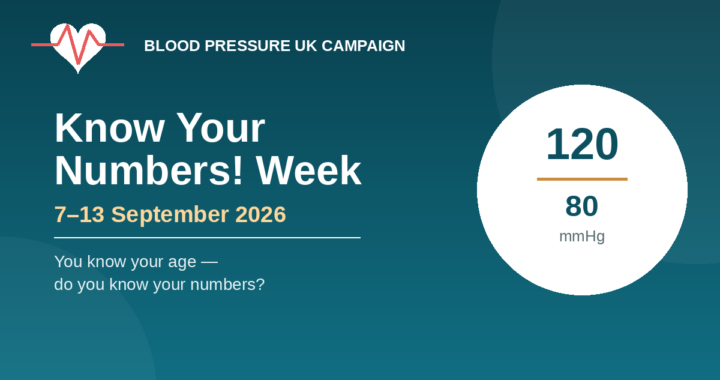
Know Your Numbers! Week runs from 7 to 13 September 2026, led by the charity Blood Pressure UK. It is the UK’s biggest blood pressure testing and awareness event, and this year’s theme asks a simple but pointed question: you know your age, do you know your numbers? According to the British Heart Foundation, around 5 million people in the UK are living with high blood pressure and do not know it, putting them at greater risk of heart attacks and strokes. For families and care teams supporting someone with a long-term or complex condition, a blood pressure check is one of the simplest and most effective things anyone can do.
What high blood pressure actually means
Blood pressure is recorded as two numbers, for example 120/80 mmHg. The first is the pressure in your arteries when your heart beats, and the second is the pressure between beats. The NHS considers a reading of 140/90 or above (135/85 at home) to indicate high blood pressure, also called hypertension. It rarely causes obvious symptoms, which is exactly why regular checks matter. Left unmanaged, it is one of the biggest risk factors for stroke, heart disease, kidney problems and vascular dementia.
Why it deserves extra attention in complex care
- Many long-term conditions, including diabetes, kidney disease and some neurological conditions, are closely linked with blood pressure control
- Reduced mobility can make it harder to maintain the activity levels that help keep blood pressure in a healthy range
- Some medications used to manage other conditions can raise or lower blood pressure as a side effect
- Communication difficulties can mean subtle symptoms, such as headaches or dizziness, go unreported
- A previous stroke significantly increases the risk of a further one if blood pressure is not well controlled
Simple ways to help keep numbers in check
- Get blood pressure checked regularly, whether at a GP surgery, pharmacy, or with a home monitor
- Keep a simple record of readings to share with a GP or care team, so any changes are spotted early
- Support a diet lower in salt and rich in fruit and vegetables where appropriate
- Encourage gentle, regular movement suited to the person’s ability
- Make sure medication is taken consistently and any side effects are reported promptly
Getting a check this week
Blood Pressure UK’s Pressure Stations run in pharmacies, GP surgeries, workplaces and community spaces across the UK throughout the week, offering free checks to anyone who wants one. A reading takes only a couple of minutes and can be the first step towards catching a problem before it becomes serious.
How we can help
At Synergy Complex Care, our teams support adults and children with complex health needs, many of whom live with conditions where blood pressure control plays a real part in long-term wellbeing, including stroke recovery, brain injury and other long-term neurological conditions. Our carers are trained to monitor vital signs as part of routine care, recognise when a reading or a change in someone’s usual presentation needs following up, and work closely with GPs, district nurses and families to keep everyone informed. We know that small, consistent checks can make a lasting difference to someone’s health.
If you would like to talk to us about how our complex care support can help keep a loved one well at home, we would love to hear from you.